The Fabaceae Family
Legumes — the Fabaceae — are the second-largest family of flowering plants and arguably the most important to human nutrition. Every continent's cuisine depends on them. They fix atmospheric nitrogen, enriching the soils they grow in. They travel well, store for years, and provide complete protein.
From a bowl of hummus in Beirut to red beans and rice in New Orleans, from edamame in Tokyo to dal in Delhi — legumes are the quiet foundation of the human diet.
A Tasty Opportunity
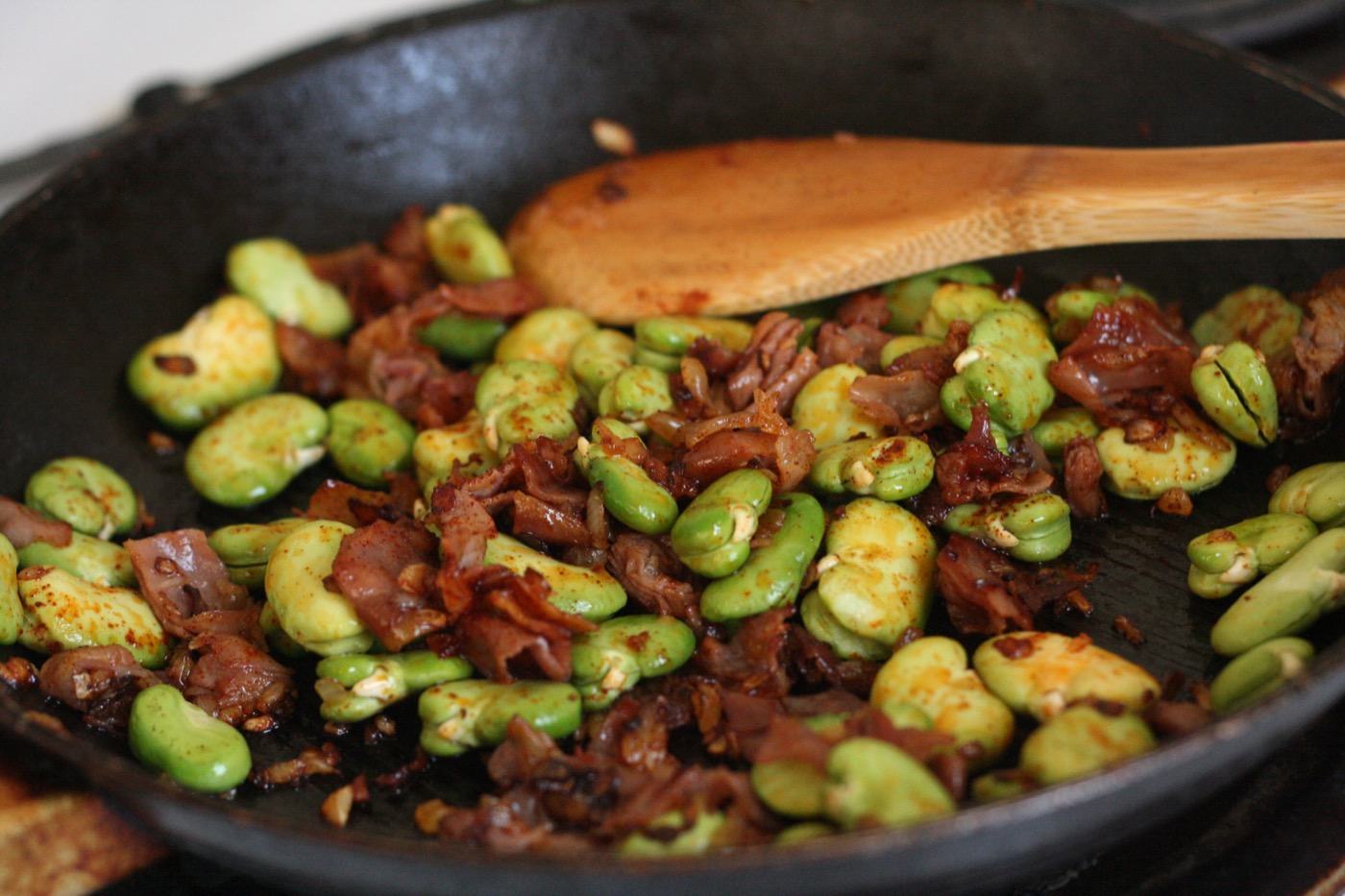
Beans are having a moment, promoted by health gurus and featured in viral TikTok recipes. And, ok, compared to animal protein, beans might be healthier and they are definitely better for the environment.
But really - you should eat more beans simply because they are crazy delicious. If you haven't tried ful medames for breakfast, frijoles charros at lunch, or African groundnut stew for dinner, you might not know that bean recipes taste amazing.
Two Ways to Explore
The Map View shows where each crop was first domesticated — from the Fertile Crescent to highland Mexico to West Africa. The Tree View reveals family relationships — how the pea and bean are cousins, how the peanut sits in an unexpected branch of the family tree. Click any crop to open its full story.